

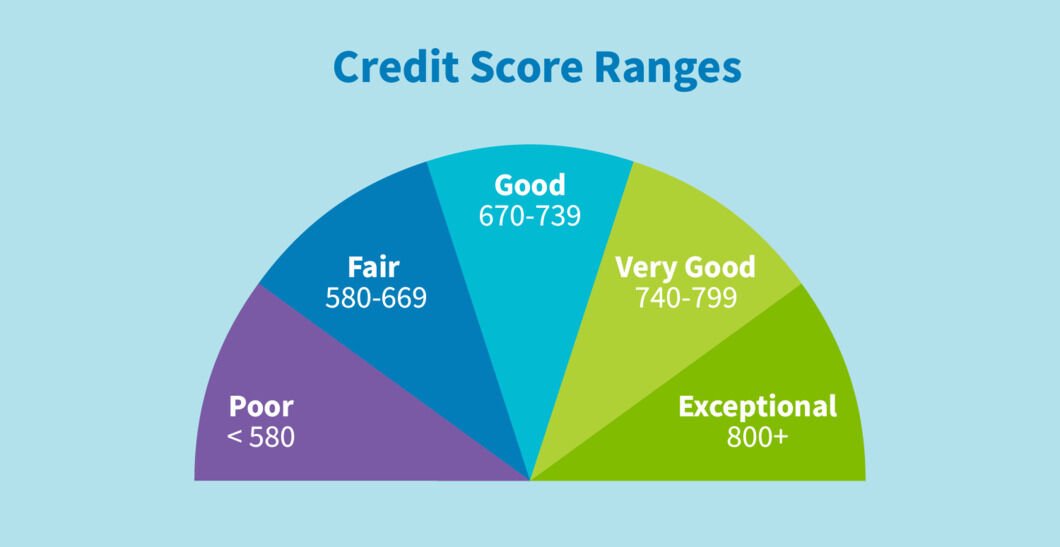
The past year has seen a seismic shift in how borrowers with less-than‑stellar credit scores are getting their cash. With banks tightening underwriting, the average personal loan APR for those with FICO scores below 600 has climbed to roughly 21–22%, according to Bankrate’s March 2026 report. Meanwhile, the average rate across all credit tiers sits at a more comfortable 12.26%. These figures paint a stark picture for anyone looking to finance an emergency or consolidate debt.
How Lenders Are Pricing Bad‑Credit Loans Today
In the past few months, lenders have leaned heavily on income‑based underwriting rather than traditional credit checks. That means your monthly earnings, bank deposits, and employment history can outweigh a low FICO score when determining interest rates. The result? A more transparent process that still yields higher APRs because the risk remains elevated.
- APR Range: Bad‑credit borrowers often see rates between 18% and 35.99%, with some lenders charging up to 36% for very short terms.
- Origination Fees: Up to 12% of the loan amount can be deducted before you receive funds, so always read the fine print on fees.
- Loan Amounts: Platforms like RadCred offer $300–$5,000 loans with terms up to 24 months. Smaller amounts mean faster approval and lower risk for lenders.
The high end of the spectrum is not a fluke; it’s a response to tightened credit standards and the need to offset the increased default probability among low‑score borrowers.
Why APRs Are So High for Bad Credit?
Interest rates are essentially the price of risk. Lenders calculate that people with FICO scores below 600 have a higher likelihood of missing payments, which translates into higher costs to cover potential losses. When you add in operating expenses—underwriting, fraud prevention, collections—the final APR can jump well above the national average.
Moreover, the Federal Reserve has not yet lowered rates for 2026, keeping borrowing costs elevated across the board. The result is a market where bad‑credit borrowers face steeper terms even as they seek quick cash.
RadCred’s AI‑Powered Matching Platform
One of the most promising developments in this space is RadCred’s 2026 platform update, which uses AI to evaluate over 100 financial data points per applicant. The system replaces hard credit pulls with a soft inquiry that doesn’t affect your FICO score, giving you peace of mind while still providing lenders with the information they need.
Here are the key features:
| Feature | Description |
|---|---|
| No Minimum Credit Score | Approval is based on income and repayment capacity, not FICO. |
| Instant Lender Matching | Connects borrowers to state‑licensed lenders that fit their profile. |
| Full Cost Transparency | APR, fees, and repayment schedule are shown before commitment. |
| Soft Pull Protection | No impact on credit score during the entire matching process. |
With this technology, borrowers who once faced outright rejection can now access multiple offers from regulated lenders. The platform’s focus on transparency helps consumers compare total costs—an essential factor when rates vary so widely across providers.
Getting a Loan Through RadCred
- Verify Income: Provide recent pay stubs or bank deposit screenshots.
- Check Your Account: Ensure your checking account is active for at least 90 days with consistent deposits.
- Apply Early: Submit before 11 a.m. ET on weekdays to maximize same‑day ACH funding.
Once you’re matched, the lender’s full offer appears instantly, allowing you to make an informed decision without hidden surprises.
The Real Cost of Bad Credit Loans: A Closer Look at APRs and Fees
To illustrate how much a bad‑credit borrower can pay over time, let’s break down a typical scenario. Assume a $3,000 loan with a 24‑month term at an APR of 25%.
- Monthly Payment: Approximately $139.
- Total Interest Paid: Roughly $1,200 over the life of the loan.
- Origination Fee (10%): $300 deducted from the principal.
That means you’ll receive only $2,700 upfront but will pay back $4,500 in total. Compare that to a good‑credit borrower who might secure a 6% APR and an origination fee of 1%, resulting in a far lower cost of borrowing.
How to Mitigate the Cost
Even if you’re stuck with a higher rate, there are strategies to reduce your overall expense:
- Shorten the Term: A 12‑month loan at 25% will still cost more in interest than a 24‑month loan at 18%, but the monthly payment will be larger.
- Shop Around: Use platforms like RadCred or Get Loan Now to compare offers before committing.
- Improve Your DTI: Lower your debt-to-income ratio by paying down existing obligations; lenders will see you as a lower risk.
What the Data Tells Us About Future Trends
Recent data from Bankrate’s Monitor survey shows that while average personal loan rates have hovered around 12% for good‑credit borrowers, bad‑credit rates are trending upward. In April 2026, the median lowest rate among all lenders was 6.20%, but that figure primarily reflects offers to excellent credit holders.
For those with scores below 630, the average APR climbs to over 21%. This trend is driven by:
- Economic Pressures: Rising living costs and gig‑economy income volatility increase borrower risk.
- Regulatory Constraints: State‑licensed lenders must comply with stricter rules, raising operating costs that are passed on to borrowers.
- Limited Competition: Fewer lenders serve the bad‑credit market, reducing price competition.
Given these forces, it’s unlikely that rates will drop in the near future unless new federal regulations come into play or a surge of fintech entrants offers more competitive terms.
How to Stay Ahead of Rate Swings
“Keep an eye on Bankrate’s monthly updates and compare them with your own loan terms. A small difference in APR can translate to hundreds saved over the life of a loan.” – Financial Analyst, Business Insider
Regularly reviewing your credit score and financial health can also help you anticipate when a rate change might impact you. A slight bump in your FICO can move you into a lower APR bracket, saving you money.
Choosing the Right Lender for Your Situation
Not all lenders are created equal. While some offer quick access to cash, others may charge exorbitant fees or have opaque terms. When evaluating offers, consider these factors:
| Criteria | Why It Matters |
|---|---|
| APR & Fees | Total cost of borrowing. |
| Lender Reputation | Check reviews and Better Business Bureau ratings. |
| State Licensing | Ensures compliance with local regulations. |
| Repayment Flexibility | Allows adjustments if your income fluctuates. |
| Customer Support | Helps resolve issues quickly. |
Platforms that aggregate multiple offers, such as RadCred or Get Loan Now, give you a clearer picture of the market and reduce the risk of hidden fees.
Final Thoughts on Bad‑Credit Personal Loans in 2026
The landscape for bad‑credit borrowers is both challenging and evolving. With higher APRs, stringent underwriting, and a growing number of AI‑driven matching platforms, consumers need to be diligent in comparing offers. By understanding the true cost of borrowing and leveraging transparent platforms like RadCred or Get Loan Now, borrowers can navigate this complex market more confidently.
Staying informed, preparing accurate income documentation, and applying early are all strategies that can tilt the odds in your favor. As the financial environment continues to shift, those who adapt quickly will find better terms and fewer surprises down the road.